Actors revive important historical and contemporary speeches, experts analyze the rhetoric and background. In comparison, the inaugural speeches of three very different American presidents (Roosevelt, Kennedy, Trump) illustrate historical developments in the Western world. The evil thinking of Heinrich Himmler is disempowered by the sharp analysis of Hannah Arendt. In different ways, both offer deep insights into the mindsets of totalitarian regimes.
The inaugural speeches of three very different American presidents.
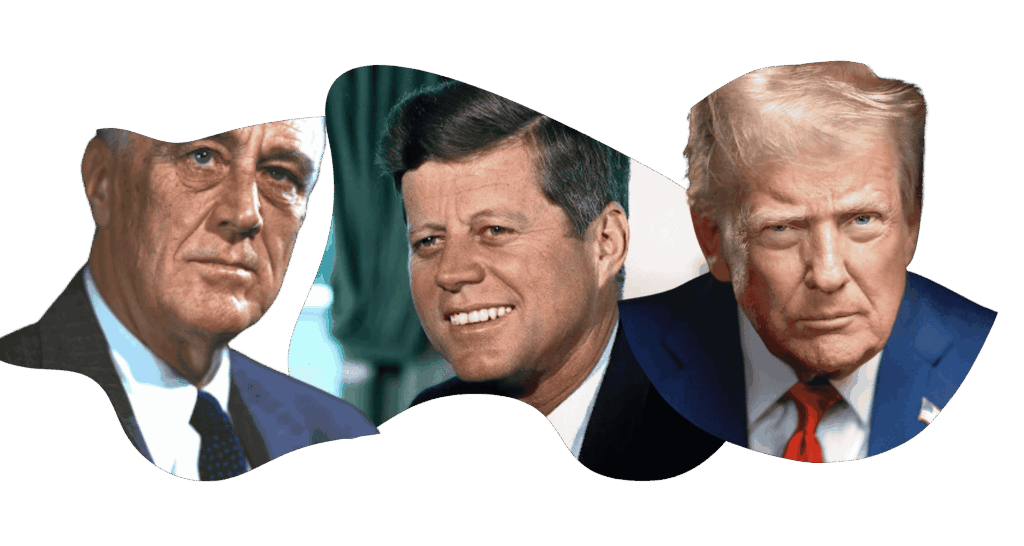
Inaugural speeches play an important role in the democratic ceremonial of the United States: they shape an entire term of office and are often remembered for years afterwards. It is not just the issues that the new president is addressing, but rather a vision for an entire country that is expressed in style and content, and a very personal understanding of politics and morality.
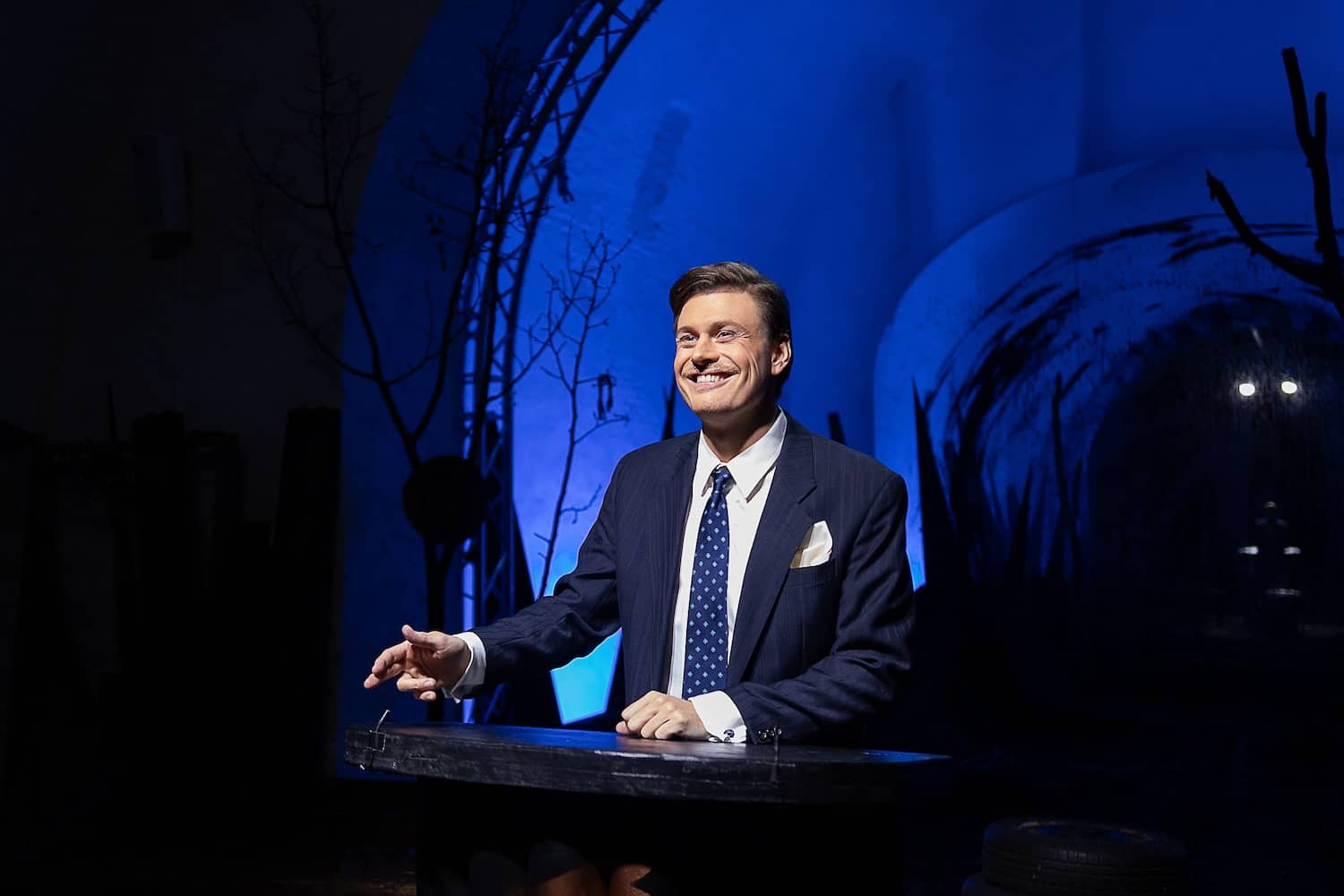
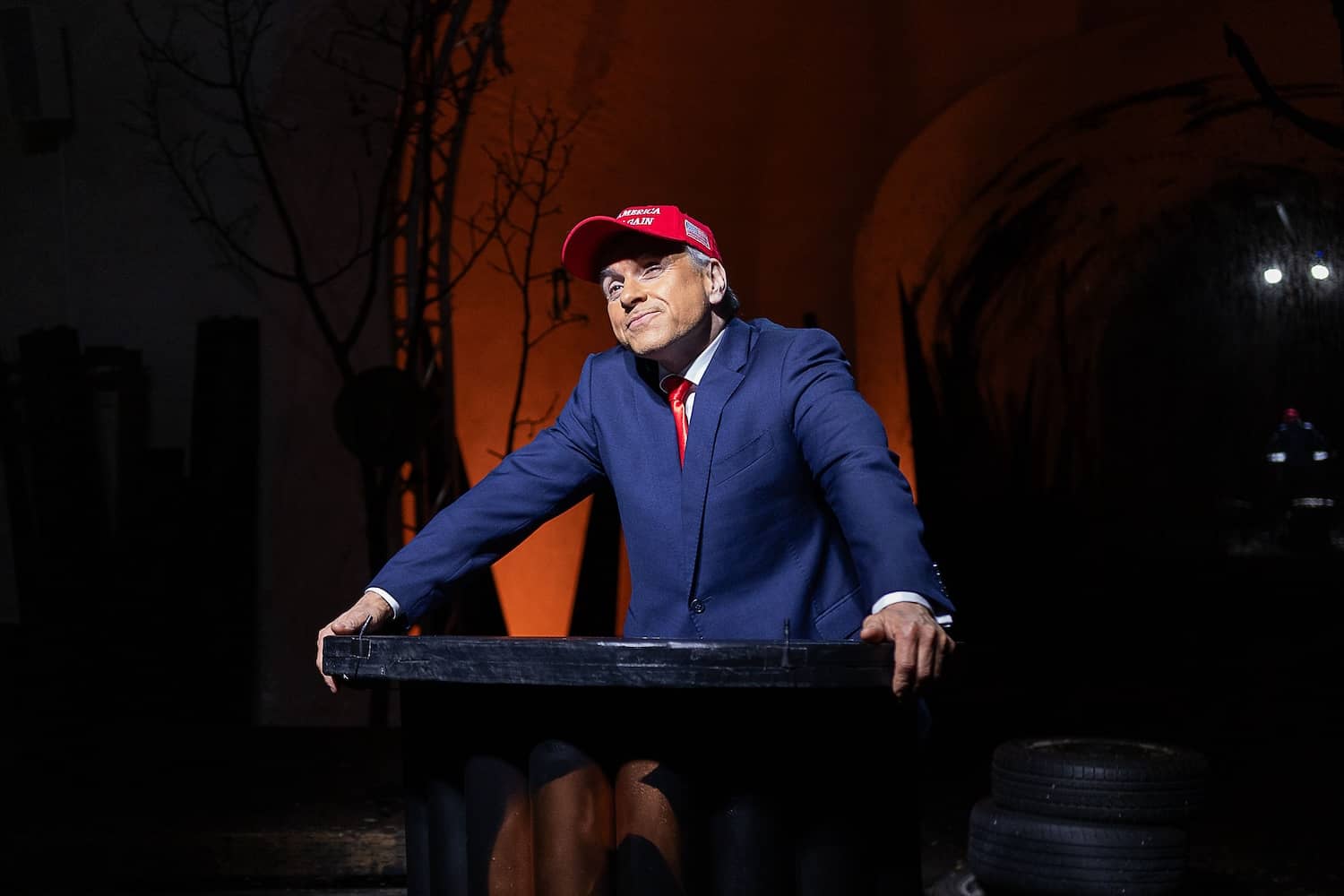
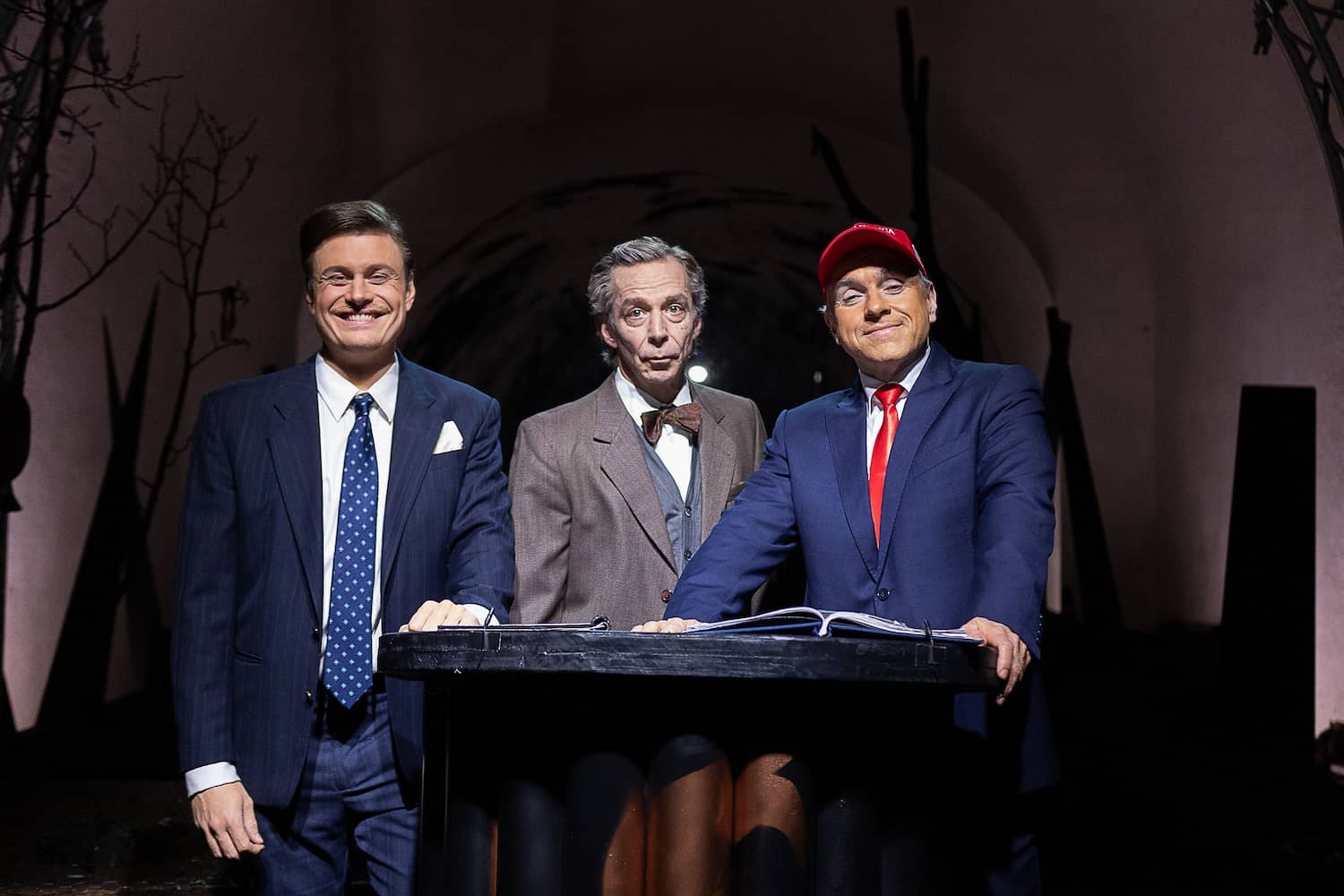
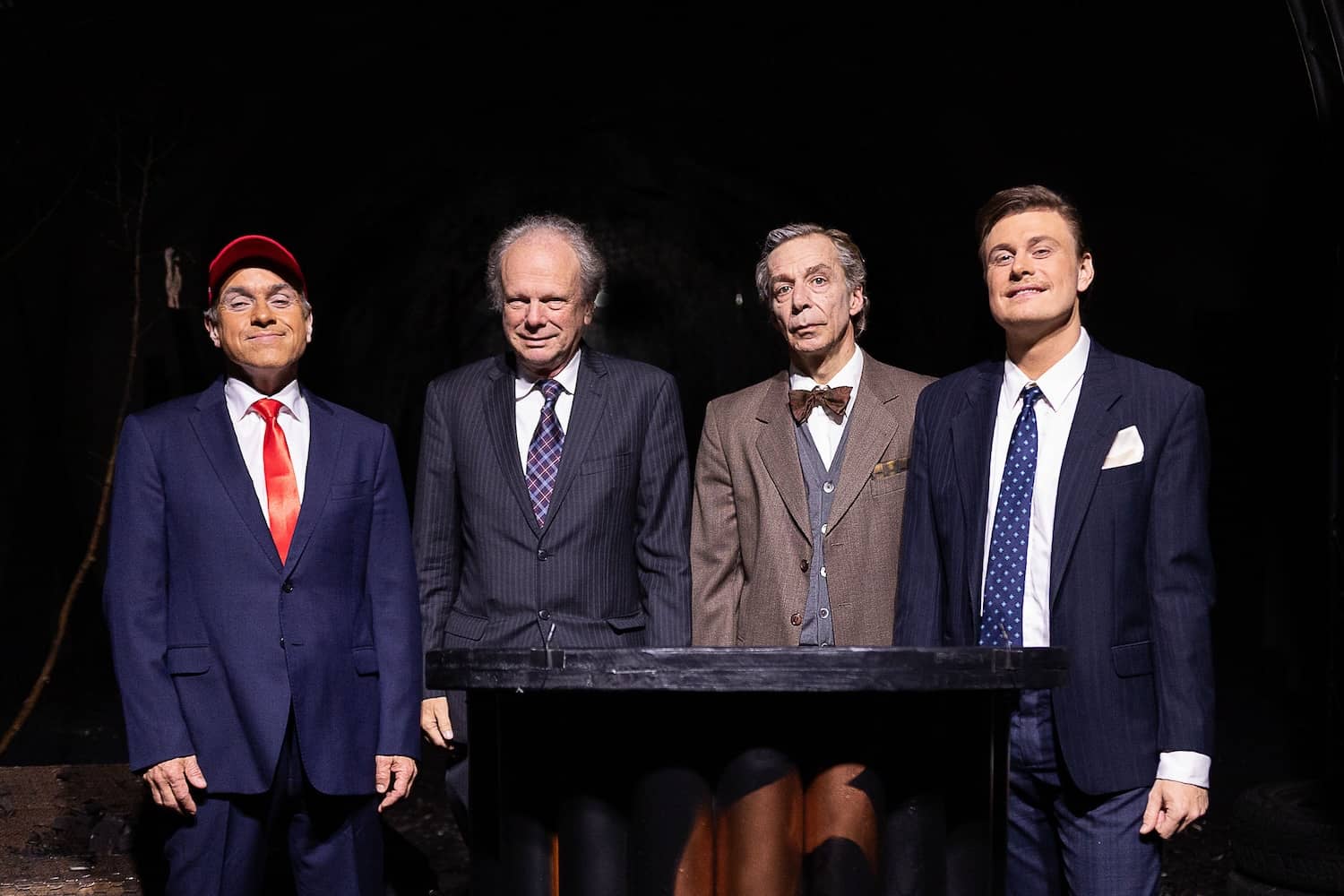
Wortwiege presents three different approaches to this exercise: Franklin Delano Roosevelt assumed the presidency in the midst of the 1930s depression and had to restore confidence to his fellow citizens. John Fitzgerald Kennedy, on the other hand, took office as a young president in a time of renewed optimism and the Cold War. The contrast between these visions and the gloomy picture that Donald John Trump painted of his country in his two inaugural speeches highlights the differences in the respective philosophies and self-evident truths.
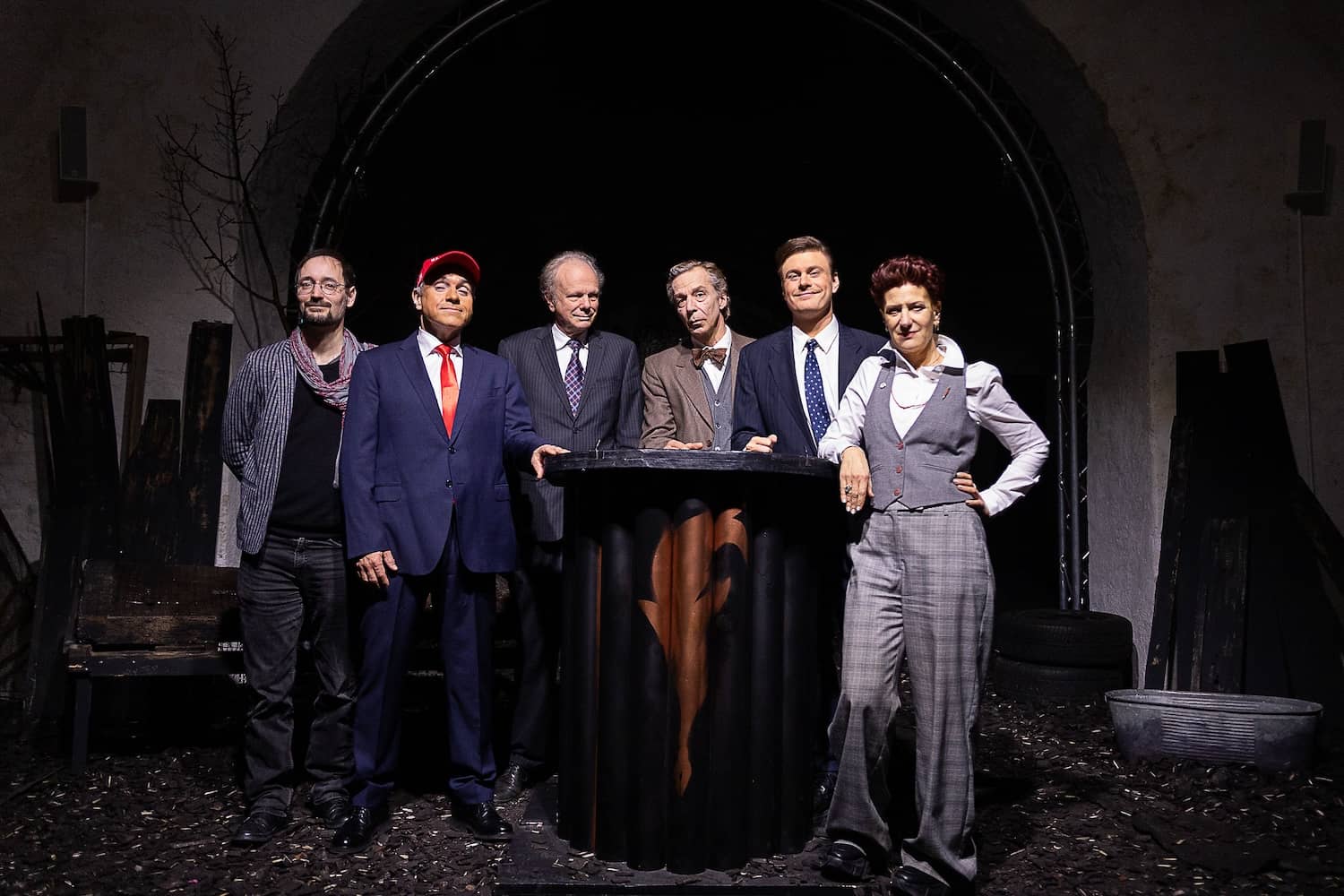
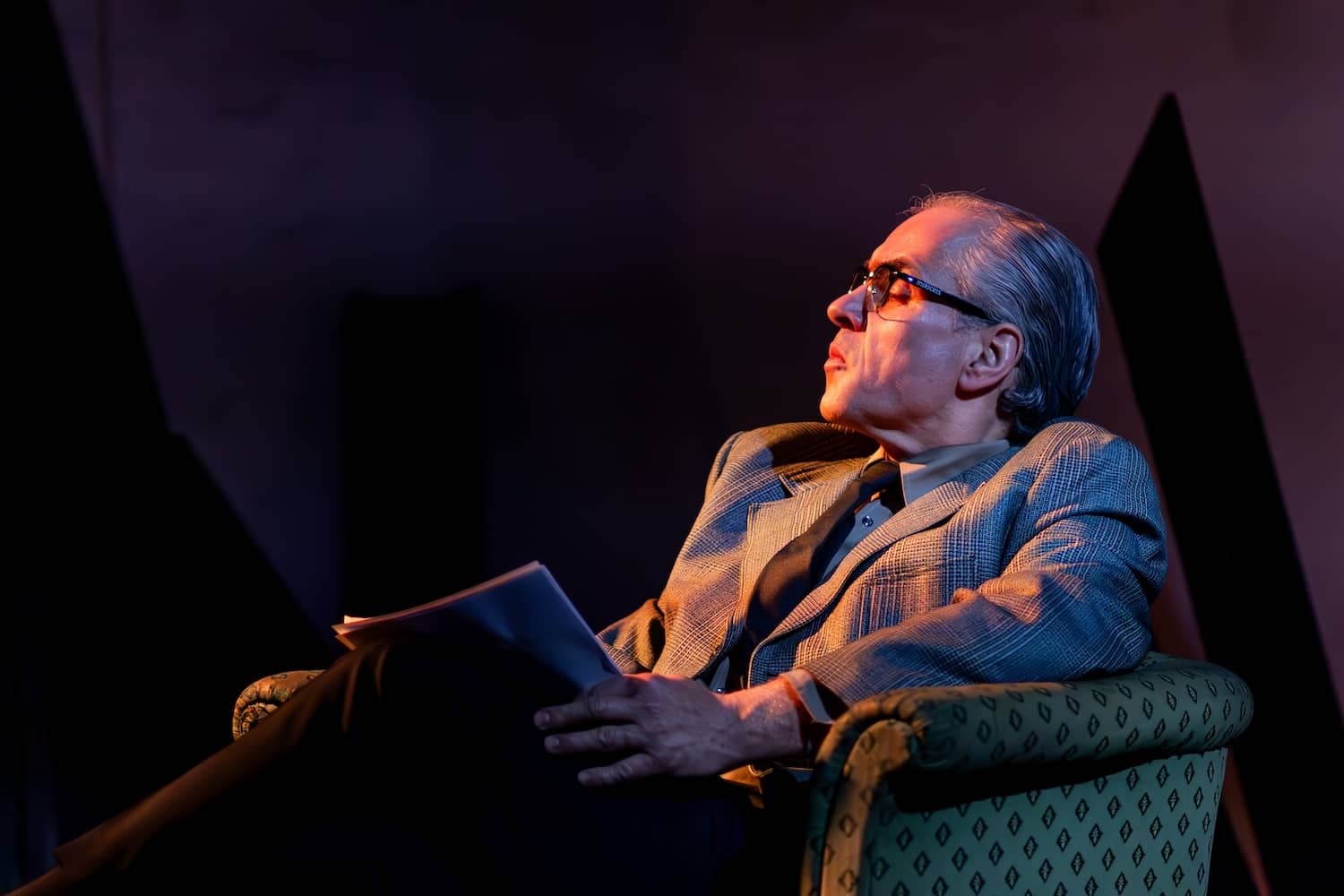
Jens Ole Schmieder brings F. D. Roosevelt to the stage with his usual elegance, while former Burgtheater actor Lukas Haas lends his youthful charm to J. F. Kennedy and Martin Schwanda embodies the current incumbent with verve. Raimund Löw, long-time ORF correspondent in Washington and Falter radio presenter, will share his insights and assessments to classify and analyze these different discourses .
Acting: Jens Ole Schmieder, Lukas Haas, Martin Schwanda
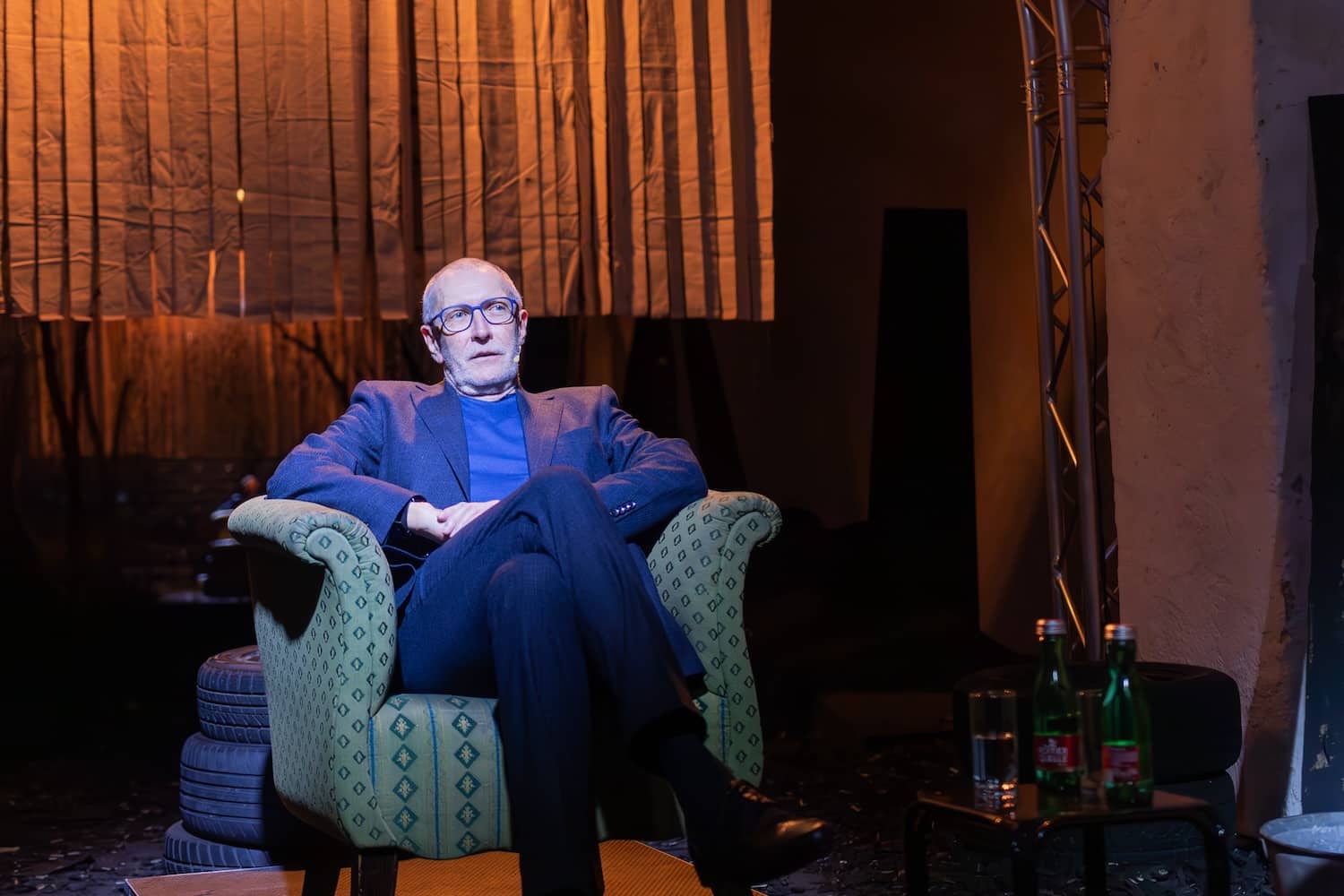
Discussion guest: Raimund Löw
Set: Jérôme Junod
Moderation: Anna Luca Krassnigg
Costume design: Antoaneta Stereva Di Brolio
Make-up: Henriette Zwölfer
A production by Wortwiege, funded by the state of Lower Austria and the city of Wiener Neustadt.
Raimund Löw is a journalist, historian and author and runs the podcast “Falter Radio”. Multiple times he has been awarded as “Foreign Policy Journalist of the Year” and comments on world politics for the Viennese Newspaper Falter. His most recent book is “Welt in Bewegung. Warum das 21. Jahrhundert so gefährlich geworden ist” (2022).
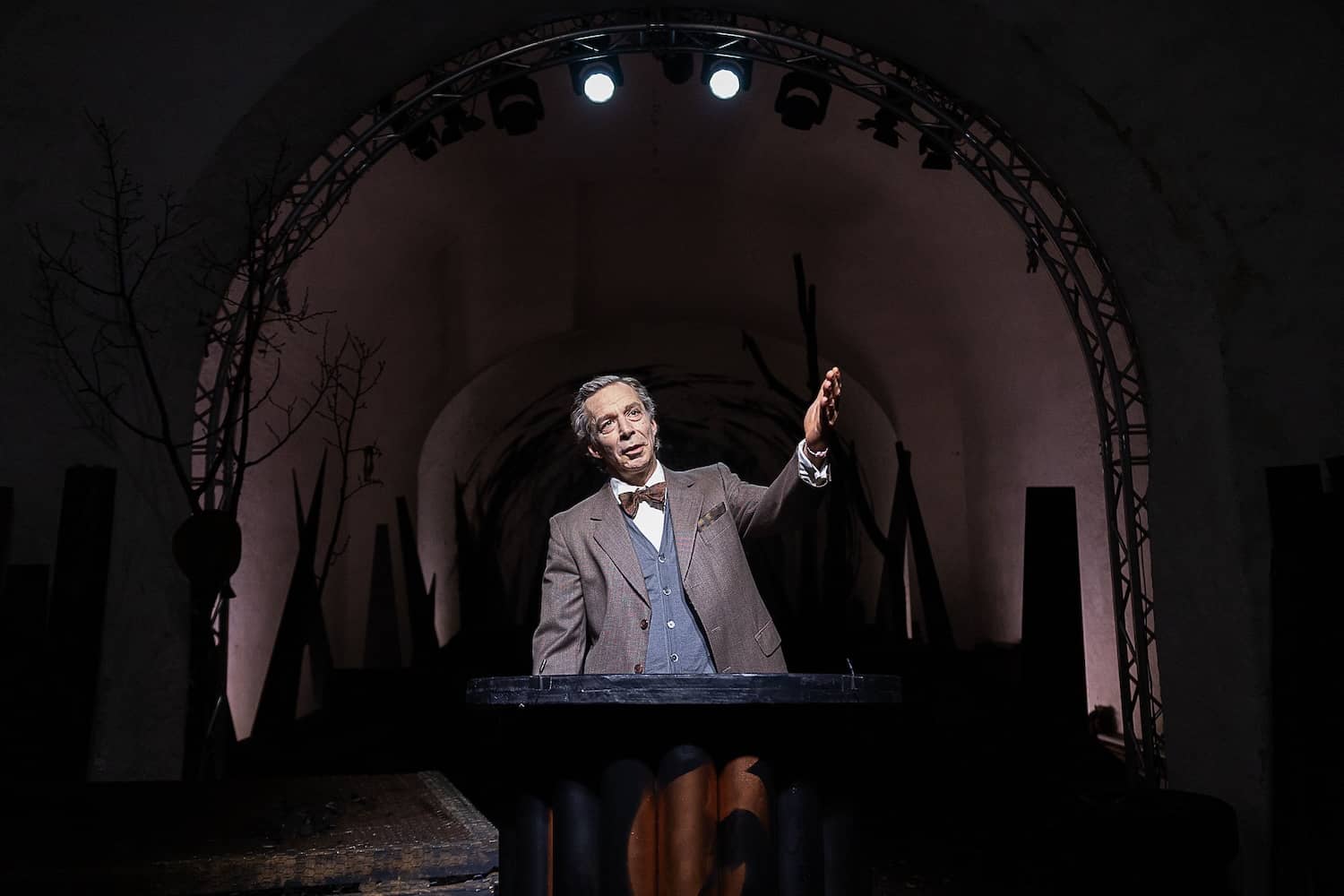
© Anastasiia Yakovenko
National Socialism and its antidote – with Heinrich Himmler and Hannah Arendt.
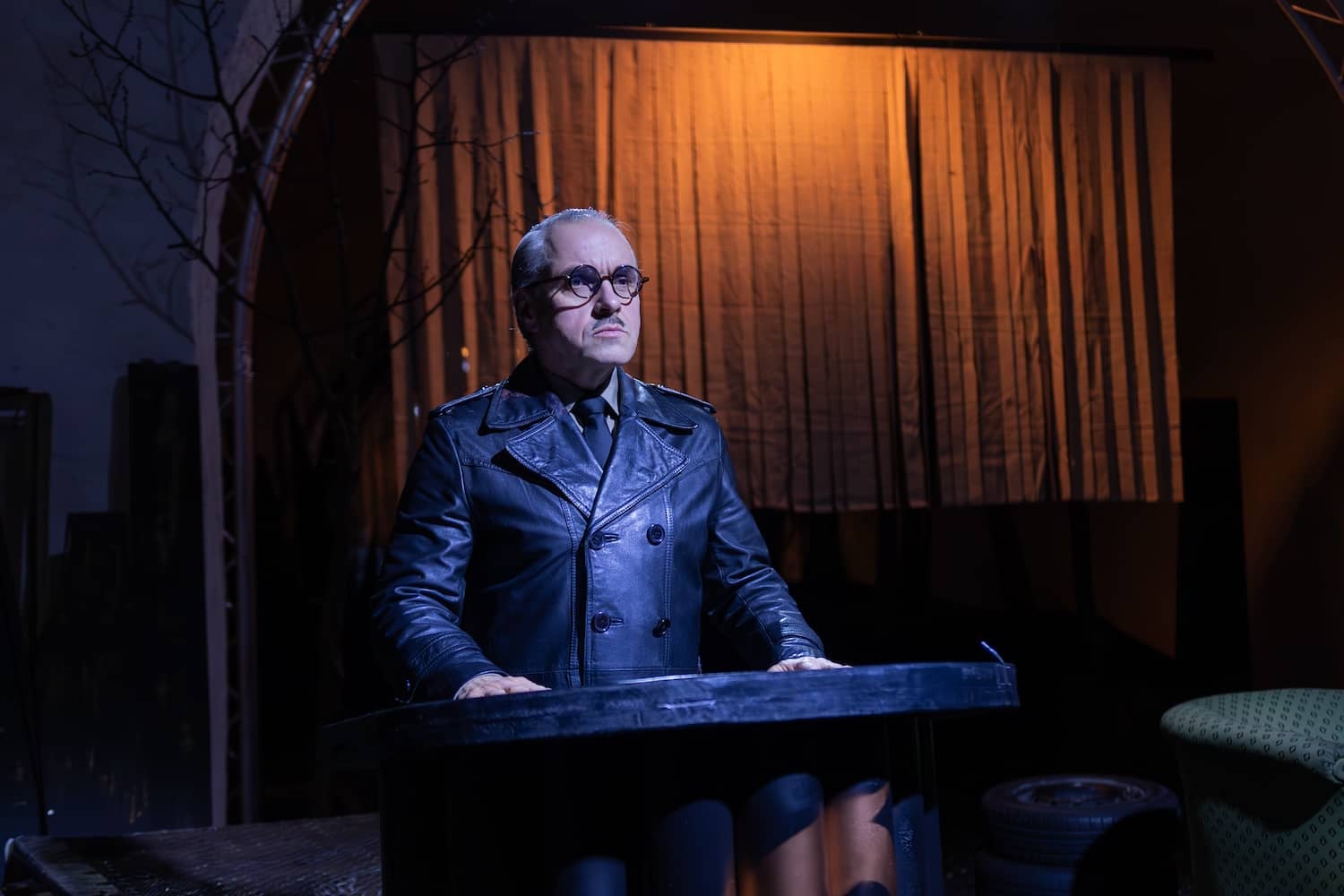
This edition of Reden! brings together two sources that could not be more contradictory. In the so-called “Posener speeches”, the NS Reich Interior Minister Heinrich Himmler addressed the SS in a private setting and gave a deep insight into the mindset and ruthlessness of the Nazi regime. The philosopher Hannah Arendt, who had to flee Germany for America, was interviewed in 1969 for the programme “Zur Person” and spoke about her experiences and the thought patterns of totalitarian regimes, which she dealt with in depth, not only through her analysis of the Eichmann trial (1961). The legendary programme – focused for this special evening on Hannah Arendt’s public reflections and speeking – continues to influence renowned thinkers to this day. The ruthless ideologue and the considered analyst – a contrast that is still thought-provoking in other contexts today.
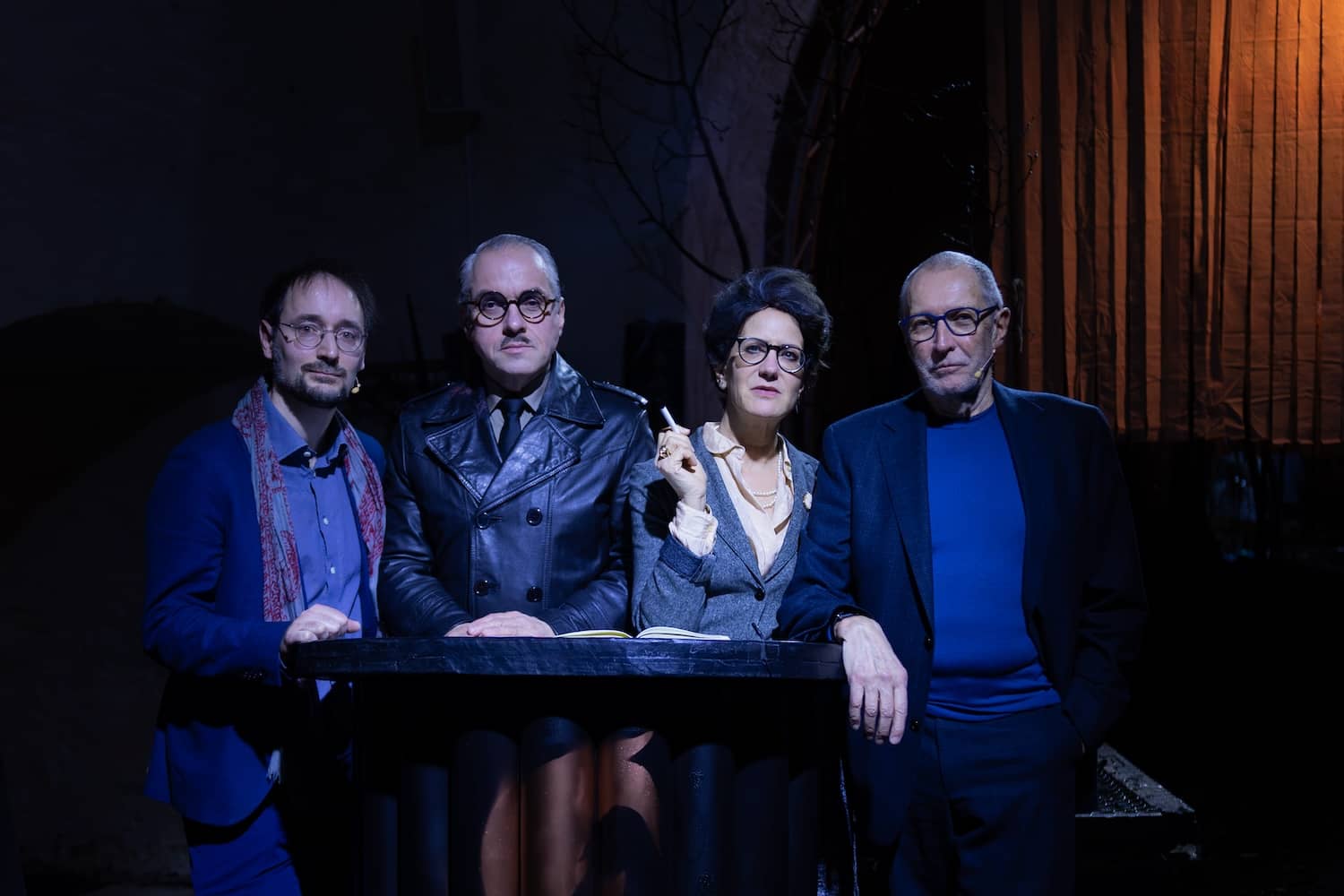
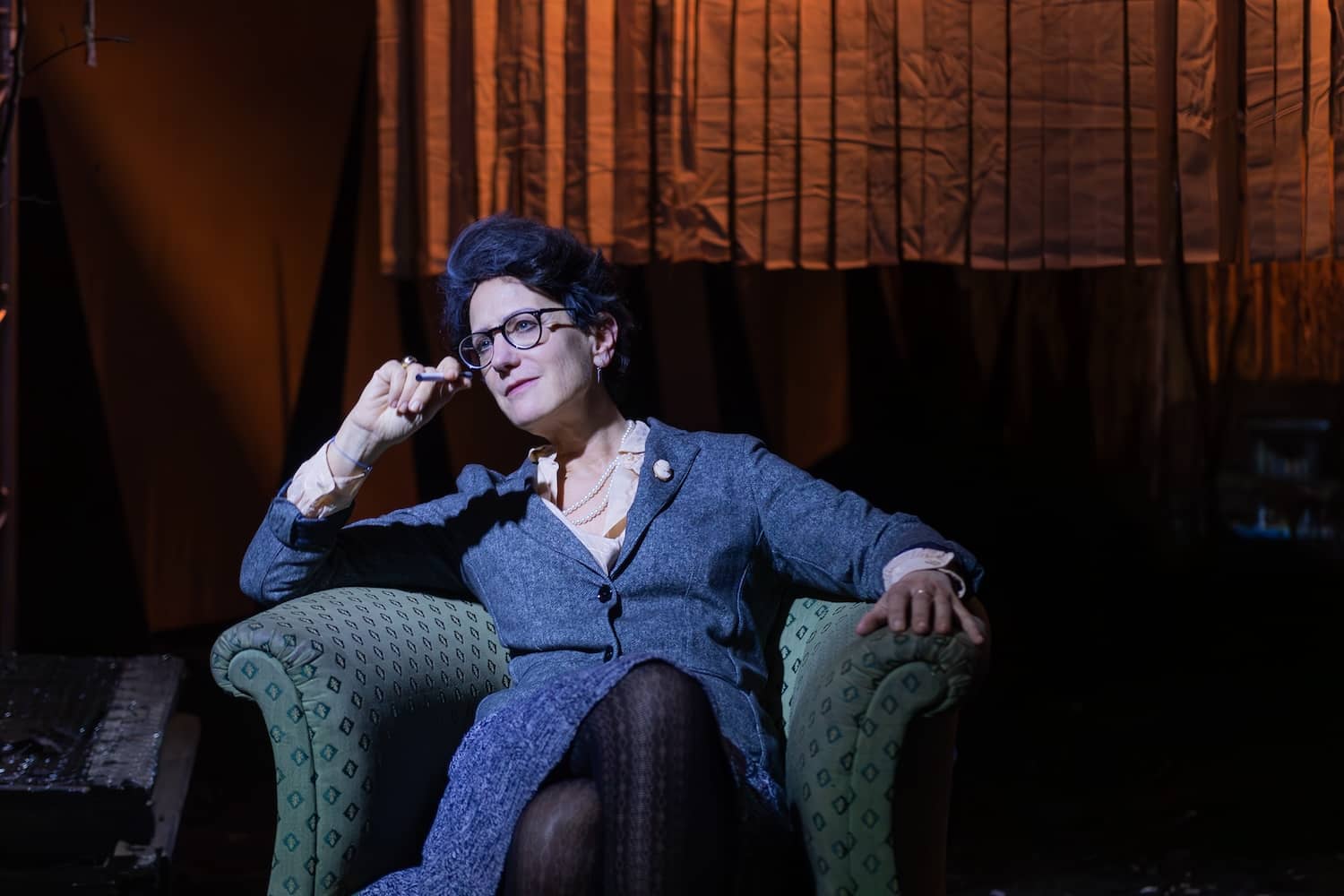
Martin Schwanda lends his voice to the henchman, Arendt is embodied by performer and festival director Anna Luca Krassnigg. Philosophy star Konrad Paul Liessmann offers his analysis on the philosophical evaluation and the questions of critical attitudes and today’s dangers.
Note: Heinrich Himmler’s “Posen speech” explicitly addresses the Shoah.
Acting: Martin Schwanda, Anna Luca Krassnigg
Discussion guest: Konrad Paul Liessmann
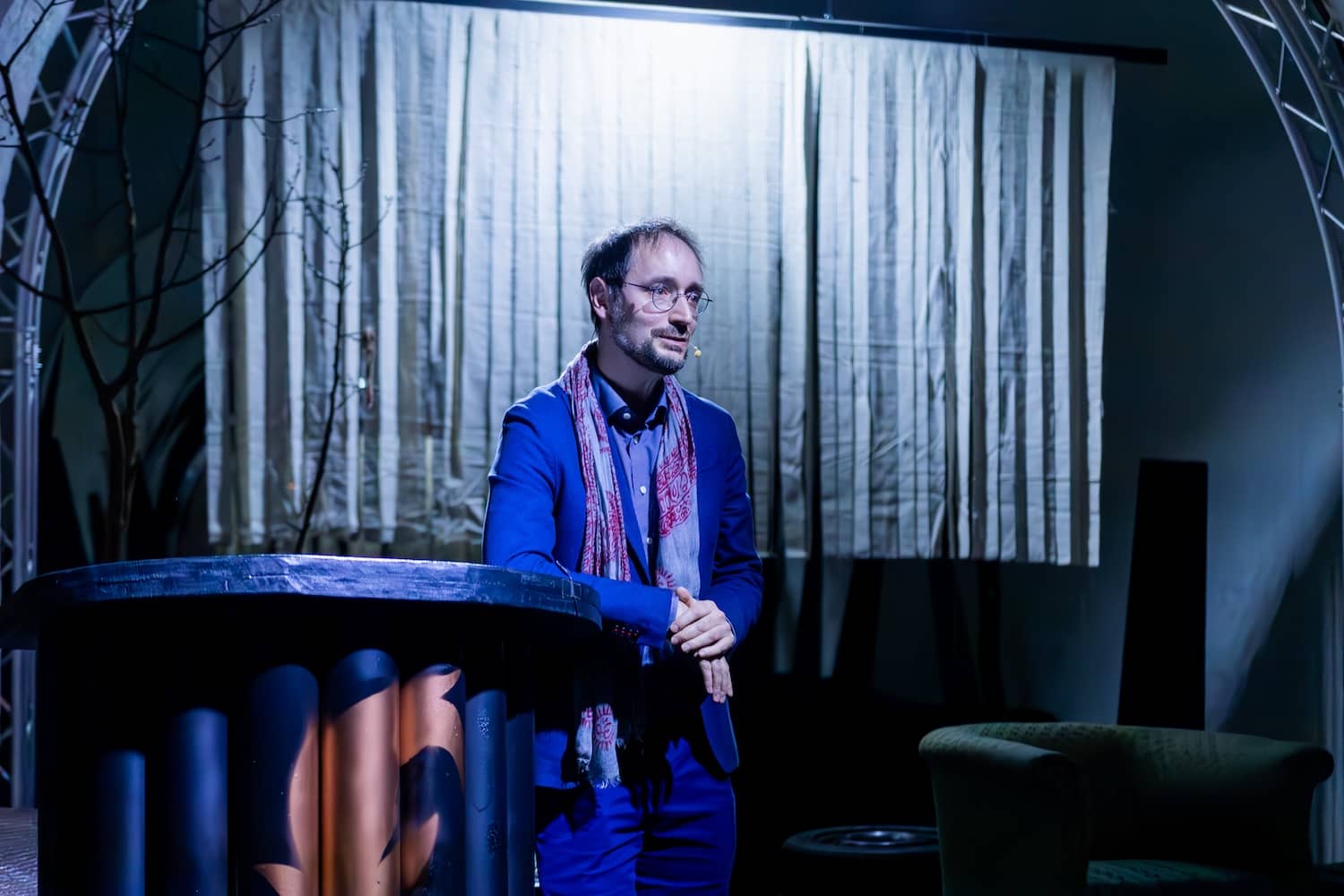
Set and moderation: Jérôme Junod
Costume design: Antoaneta Stereva Di Brolio
Make-up: Henriette Zwölfer
A production by Wortwiege, funded by the state of Lower Austria and the city of Wiener Neustadt.
Konrad Paul Liessmann taught as a professor of philosophy at the University of Vienna until 2011, he is co-director of the Philosophicum Lech and is known for the ORF CD series “Denken und Leben”. Most recently published: “Was nun? A philosophy of the crisis” (2025).
© Anastasiia Yakovenko